




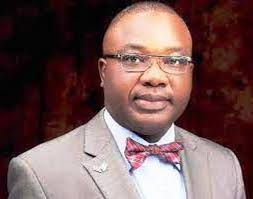
Abuja (Peionews) – The Executive Secretary of National Human Rights Commission (NHRC) Chief Tony Ojukwu SAN has lamented the destruction caused by a decade of insurgency in North East Nigeria saying we cannot continue the war forever.
He made this statement in Maiduguri, the Borno State capital during the second meeting of the Borno State Project Advisory Committee (SPAC) on Promoting Reconciliation, Reintegration, and Transitional Justice in some parts of the North East.
He said a lot of havoc has been caused by Boko Haram insurgency to the affected States and Communities, and the Commission through its Project on Promoting Reconciliation, Reintegration, and Transitional Justice in the States of Borno, Adamawa and Yobe, which is supported by the European Union (EU) and United Nations Development Programme (UNDP), has begun to lay a foundation for a sustainable, peaceful and developed society where consideration will be given to the victims and the communities, not undermining the necessity for justice with regards to the perpetrators.
This was the position of the NHRC Boss according to the statement signed by the Deputy Director, Public Affairs, Fatimah Agwai Mohammed made available to newsmen in Abuja.
Ojukwu said although the road to reconciliation is long tough and rough, the fact remains that it is only through true reconciliation that we can move the country forward. Therefore, we need to have a sense of justice and restitution, this may not come in terms of cash, but our readiness to put the wounds and pains behind us, in the interest of the nation and a great future is very important for our society.
The Human Rights Boss commended the commitment exhibited by members of SPAC on the implementation of the Transitional Justice Project in Borno State. He said, “the Commission welcomes the acceptance of members of the Committee to work on this Project, the Committee is an important mechanism through which the Commission intends to strengthen and accelerate the achievement of the Transitional Justice Project and promote accountability to the Project’s objectives and outcomes”.
The Chairman of the SPAC who is also the Solicitor General and Permanent Secretary Borno State Ministry of Justice, Barr Hussaini Izge disclosed that “there are indications that we are exiting the horrific situation, the closure of some camps in Maiduguri is a signal that the peace that we are praying for is gradually returning”.
He said, “with the composition of the SPAC, we will cooperate and use our individual and collective expertise to assist the Commission to ensure that this project is implemented to the later”.
It would be recalled that in March 2022, the SPAC made up of stakeholders involving government institutions and United Nations agencies with humanitarian response was constituted to assist the Commission in playing their unique roles to ensure the smooth implementation of the Transitional Justice Project in the Project States.
In a goodwill message from the Project implementing partner, the UNDP Security Analyst, Usman Usman said Transitional Justice remains key to peacebuilding, especially in the present situation where the government is recording maximum exit of persons from the Boko Haram Sect. He said UNDP is ready and committed to supporting the Borno State government to achieve lasting peace.
His colleague who is also from UNDP Mr. Roy Tore-Bem, acknowledged that though the Project is at its last stage and gradually winding down, he encouraged stakeholders on the need to show serious commitment more than ever before in order to fully actualize the purpose of the Project.
The Project Coordinator who is also the Human Rights Adviser to the Executive Secretary of the NHRC, Mr. Hillary Ogbonna gave a rundown of the achievement of the Project including; Capacity building for Media on Reconciliation and Transitional Justice, Development of a framework for Transitional Justice and Reconciliation, Harnessing Community Information and Data for Transitional Justice, Communication and Advocacy to Promote Transitional Justice and Reconciliation etc.
He further stated that there are other important activities under the Project which are yet to be achieved like; Sensitization, Advocacy, and Outreaches, (this will involve traditional/religious leaders forum on reconciliation) Capacity Building and Training, Transitional Justice at the Community Level (involving constitution of transitional justice panel, community reconciliation, and healing sessions etc).
Other stakeholders commented on various issues that would assist in the successful implementation of the Project as they pledged their strong support.

Comments
Hello world!
Fast Rising Fashion Designer Yvonne Yvette Assists Girl Child
NUJ Ondo state calls for action against the killers of its member Bunmi Afuye
Russia shifts focus in Ukraine invasion
President Buhari Warns APC Leaders Against Ego, Competition by Ada Nkong